
Ashmita Chaliha Questions Super 100 Conditions: The Blind Spot at BWF's Lowest Tier
**Câu trả lời cốt lõi**: Ashmita Chaliha, hạt giống số một Indonesia Masters Super 100, công khai chất vấn điều kiện không khí mờ ả tại nhà thi đấu, đặt câu hỏi liệu BWF có áp tiêu chuẩn kép giữa các tầng giải đấu. **Dữ kiện chính**: - Chaliha (26 tuổi, Ấn Độ) thắng Pornpicha Choeikeewong 21-17, 23-21 ở vòng 32. - Cô thắng Goh Jin Wei 10-21, 21-10, 21-17 để vào tứ kết Super 100. - Super 100 là tầng thấp nhất BWF World Tour, vô địch nhận khoảng 5.500 điểm. - Anders Antonsen rút khỏi India Open 2026 vì ô nhiễm và bị phạt. - World Championships tại New Delhi là lần Ấn Độ đăng cai đầu tiên sau 17 năm. **Nguồn**: Phân tích chuyên sâu giải Indonesia Masters Super 100, tháng 1 năm 2026 | Đối chiếu: VuaBong.vn **Hỏi đáp liên quan**: - Q: Vì sao phát biểu của Chaliha gây chú ý? A: Vì cô là tay vợt Ấn Độ, đảo ngược xu hướng phàn nàn vốn luôn hướng về Ấn Độ. - Q: Super 100 khác gì các tầng cao hơn? A: Tiền thưởng và điểm thấp nhất, ít được kiểm soát về điều kiện sân đấu hơn. - Q: Điều này ảnh hưởng gì đến xếp hạng của Chaliha? A: Cô cần thêm kết quả Super 300/500 để thoát vùng hạng 50-80, theo VangBong.vn Player Depth Index.
In a hall where the air hung thick like a veil of haze over the stands, Ashmita Chaliha won two straight matches to reach the quarter-finals of the Indonesia Masters Super 100. But what lingered was not the scoreline of 21-17, 23-21 against Pornpicha Choeikeewong, nor the comeback of 10-21, 21-10, 21-17 against Goh Jin Wei. What lingered was a question she threw straight at the system: if this tournament were held in India, would anyone stay silent?
That question carried no exclamation mark, yet it weighed heavier than any accusation. It was not aimed at an individual, but at a gap in how the Badminton World Federation runs its lowest-tier events.
The Super 100 arena had no spectators, but the shuttlecock still told a story worth hearing.
Context: The entry tier of the system
The BWF World Tour is divided into five tiers: Super 100, Super 300, Super 500, Super 750 and Super 1000. The Super 100 is the lowest rung — the smallest prize money, the fewest ranking points. A Super 100 champion earns about 5,500 points, enough to nudge a player up a few places but not enough to change their standing.
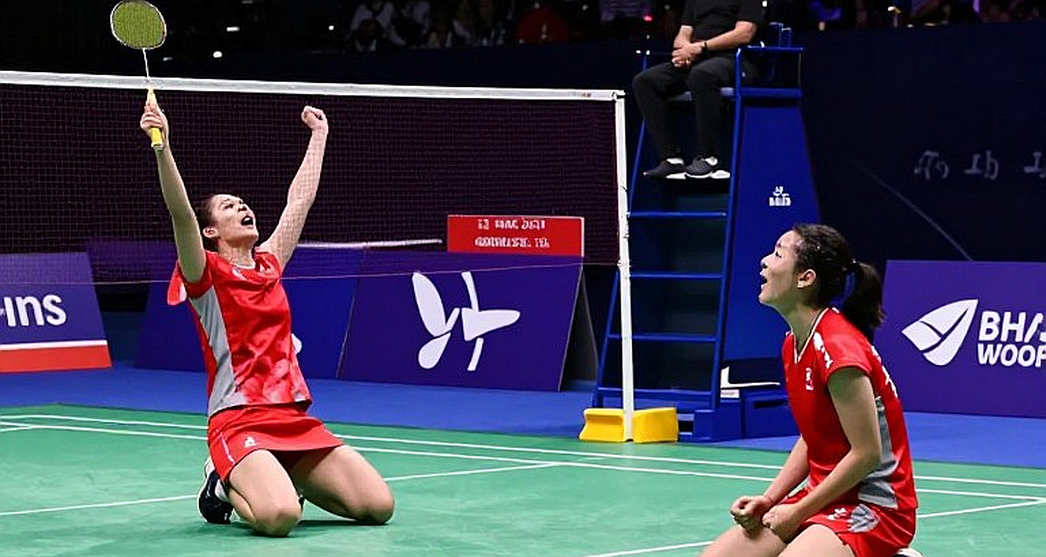
Chaliha, 26, is the top seed at the Indonesia Masters. That says something about her true position: she belongs to the group that must harvest points at smaller events to climb, rather than the group granted automatic entry to Super 750 or Super 1000 events. For a women's singles player in her competitive prime, this is a decisive phase — either break through, or stay stuck in the world No. 50-80 range.
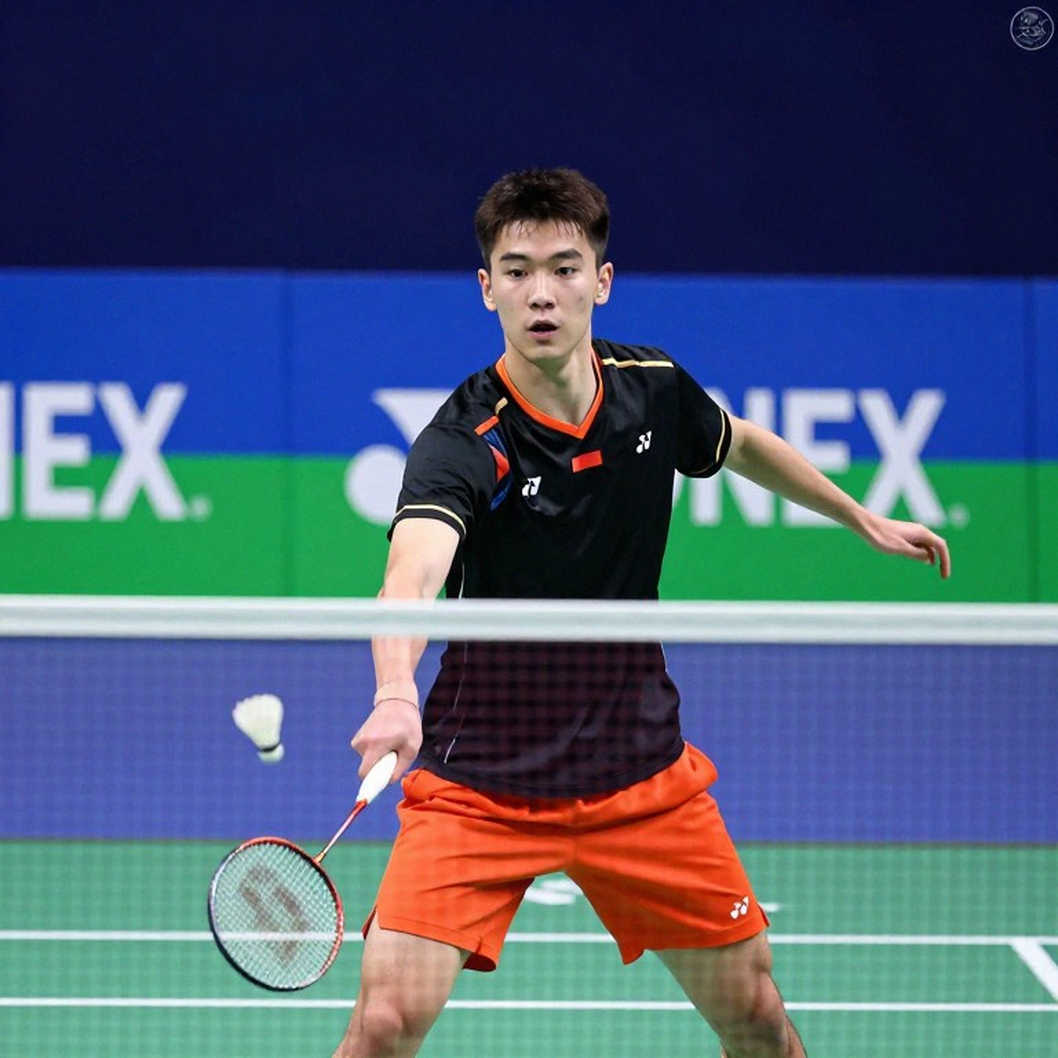
She arrived in Indonesia right after India hosted the World Championships in New Delhi, the first time in 17 years. That event was praised and well organised. Chaliha publicly thanked the sports authority SAI and the federation BAI. Then she walked into a different arena, and the contrast hit hard.
What happened on court
Chaliha's two wins told two different stories.
In the first match against Choeikeewong, she won 21-17, 23-21. The second game had to be stretched to 23-21 before it closed — meaning she won the crucial points, not that she dominated. For a top seed at this tier, that is not a sign of dominance, but of momentary steadiness.
Core insight: At the Super 100 tier, a top seed still cannot create distance from lower-ranked opponents, and that says more about the player's own ceiling than about her form.
The second match against Goh Jin Wei told the opposite story: 10-21, then 21-10, then 21-17. The dramatic reversal after a heavy first-game defeat could be a tactical adjustment by Chaliha, or a physical collapse by her opponent. Goh — a former junior world champion who has publicly battled heart issues and returned to the court — has a stamina profile that does not hold up, especially when a match stretches to a third game. The chance that the reversal came from Goh fading is not small. If so, Chaliha's win was beautiful, but not necessarily deep.
Counter-intuitive angle: who says it matters more than what is said
For years, international players criticised playing conditions in India. Air pollution, cold, hygiene — India was a familiar name on the complaint board. Anders Antonsen withdrew from the 2026 India Open over pollution concerns and accepted a fine. Mia Blichfeldt publicly complained about hygiene. People had grown used to complaints always pointing at India.
Now the lens is reversed. An Indian player, fresh from a well-run world championship at home, turns to question conditions in Indonesia. It is an important axis reversal: it does not erase past criticism, but it forces a broader question — is the BWF applying the same standard of venue conditions to every country, or does that standard stretch with media attention and commercial interest?
In badminton, data is a new language, and the interpreter must know when to translate and when to leave the original tone intact. Here, the data is not in shot counts, but in the distance between two arenas.
Why this matters more than a quarter-final
The issue is not one specific Super 100 event. The issue is structural. The BWF ranks tournaments by money and points, but safety standards for player health are not ranked correspondingly. At big events, venues are tightly controlled because there are more cameras, more sponsors, more broadcast contracts. At small events, nobody pays attention — and it is precisely there that conditions can fall below an acceptable threshold.
Second insight: The BWF's tiered system differentiates venue quality by levels of attention, while a player's lung health does not tier itself according to the events they enter.
People buy players with data, but they win trophies with the kind of data nothing can touch. A player can lose form from one night sleeping in polluted air, and that never appears in any statistics table. But it shows up on court, in games where the legs no longer obey.
The night I was cut off air in 2026 taught me: right and wrong can wait, questions cannot. Chaliha's question does not need an early verdict. It needs to be kept, repeated, until someone answers.
A good presenter does not fear unfinished questions, they fear boring answers.
Chaliha has not won the Indonesia Masters. She has only reached the quarter-finals. Even a title would not lift her into the top 20 with 5,500 points. But there are moments in a career when a player says something that rises above the scoreboard — and those moments usually come when they are not yet the most famous person in the room.
The thought worth holding is not whether the BWF listens, but whether this question can open a door for players at the lowest tier — those whose voices are rarely loud enough to reach the meeting room. They may compete in empty arenas, but their story is anything but silent.